
Introduction to Colombian Music
About Course
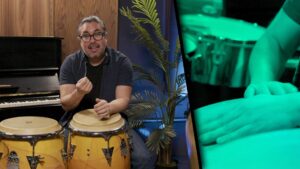
Introduction to Colombian Music is a vibrant and culturally rich course led by renowned percussionist and composer Samuel Torres. Designed for musicians, producers, and music enthusiasts alike, this course explores the deep rhythmic traditions of Colombia through hands-on demonstration and historical context. From traditional drumming patterns to contemporary fusions with pop and electronic music, Samuel takes you on an immersive journey through Colombia’s musical landscape—one of the most diverse in Latin America.
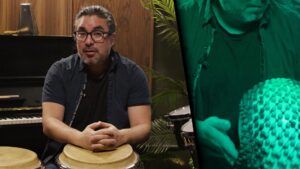
The course begins with an introduction to Colombia’s cultural diversity and its foundational percussion instruments, including the maracón, guache, llamador, tambor alegre, and tambora. Samuel walks you through essential playing techniques, unique sound textures, and traditional patterns that form the rhythmic base of Colombian folk music. With special attention given to the Cumbiamba ensemble, you’ll learn how different instruments and rhythms interact to create the driving pulse of traditional Colombian styles like Bullerengue.
As you progress, you’ll dive deeper into specific rhythmic families and regional influences. Samuel breaks down the iconic Cumbiamba family—covering Cumbia, Puya, Garabato, Chandé, and Mapalé—while explaining how these rhythms relate to each other and have evolved over time. You’ll also explore the diverse musical heritages of Colombia’s Pacific Coast, Andean Mountains, and Llanos (plains), gaining insight into styles like Currulao, Bambuco, and Joropo. The course culminates in a modern fusion section, where you’ll discover how these traditional sounds blend with genres like salsa choke, champeta, urban cumbia, and tropi-pop—proving that Colombian music is both rooted in tradition and ever-evolving.
Course Content
Basics
-
Colombia’s Cultural Diversity and Introduction to the Cumbiamba Ensemble
05:43 -
Techniques for Maracón and Guache (Seeds Instruments)
05:54 -
Techniques and Sounds for Llamador and Tambor Alegre
07:31 -
Bullerengue: Llamador, Seeds, Claps and Tambor Alegre Pattern
11:08
Cumbiamba Family
Modern Ensemble
Music of the Pacific Coast, The Mountains and The Plains
Fusion with Contemporary Styles
Student Ratings & Reviews